8 What is a Gaiwan? Your Complete Introduction
If you are a tea enthusiast or someone looking to delve deeper into the world of tea, you’ve probably come across the term “gaiwan.” But what is a gaiwan, and why is it a significant part of Chinese tea culture? In this comprehensive guide, we’ll explore everything you need to know about the gaiwan, from its history and uses to how you can incorporate it into your own tea-drinking routine.
The History of the Gaiwan
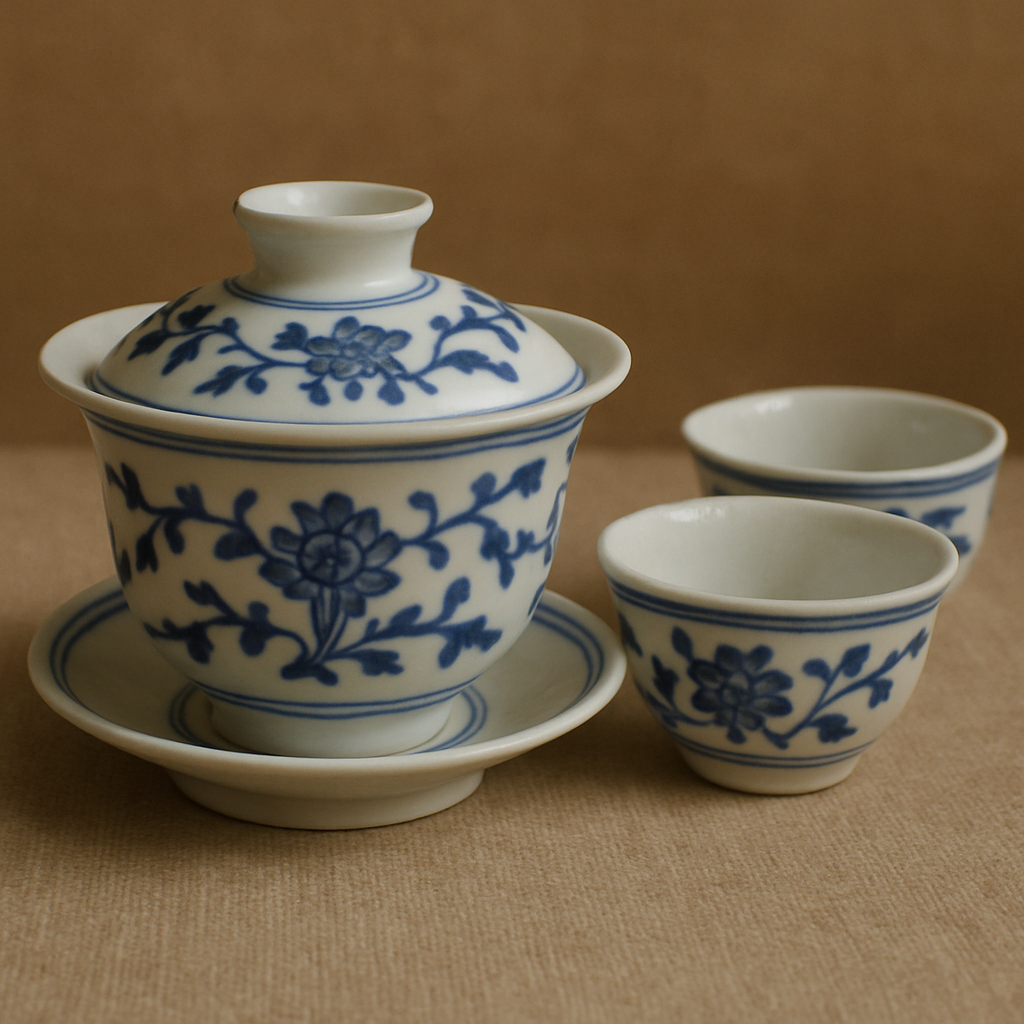
The gaiwan has a rich history dating back to the Ming Dynasty (1368-1644) in China. During this time, the gaiwan became popular due to the shift from powdered tea to loose leaf tea, necessitating a new method for brewing. The design of the gaiwan allowed tea drinkers to appreciate the aroma and flavor of loose leaf tea fully. Over the centuries, the gaiwan has remained a staple in Chinese tea culture and continues to be cherished by tea lovers worldwide.
Components of a Gaiwan
The gaiwan tea set simple design consists of three essential components:
- The Bowl: The bowl is the main part of the gaiwan, used to hold the tea leaves and water. It is typically wide and shallow, allowing the tea leaves to unfurl and release their flavors.
- The Lid: The lid of the gaiwan serves multiple purposes. It helps retain the heat during brewing, allows you to control the infusion by adjusting its position, and acts as a strainer to hold back the tea leaves when pouring the tea.
- The Saucer: The saucer provides stability and comfort when holding the hot gaiwan. It also catches any drips that may occur during pouring.
Why Use a Gaiwan?
Versatility
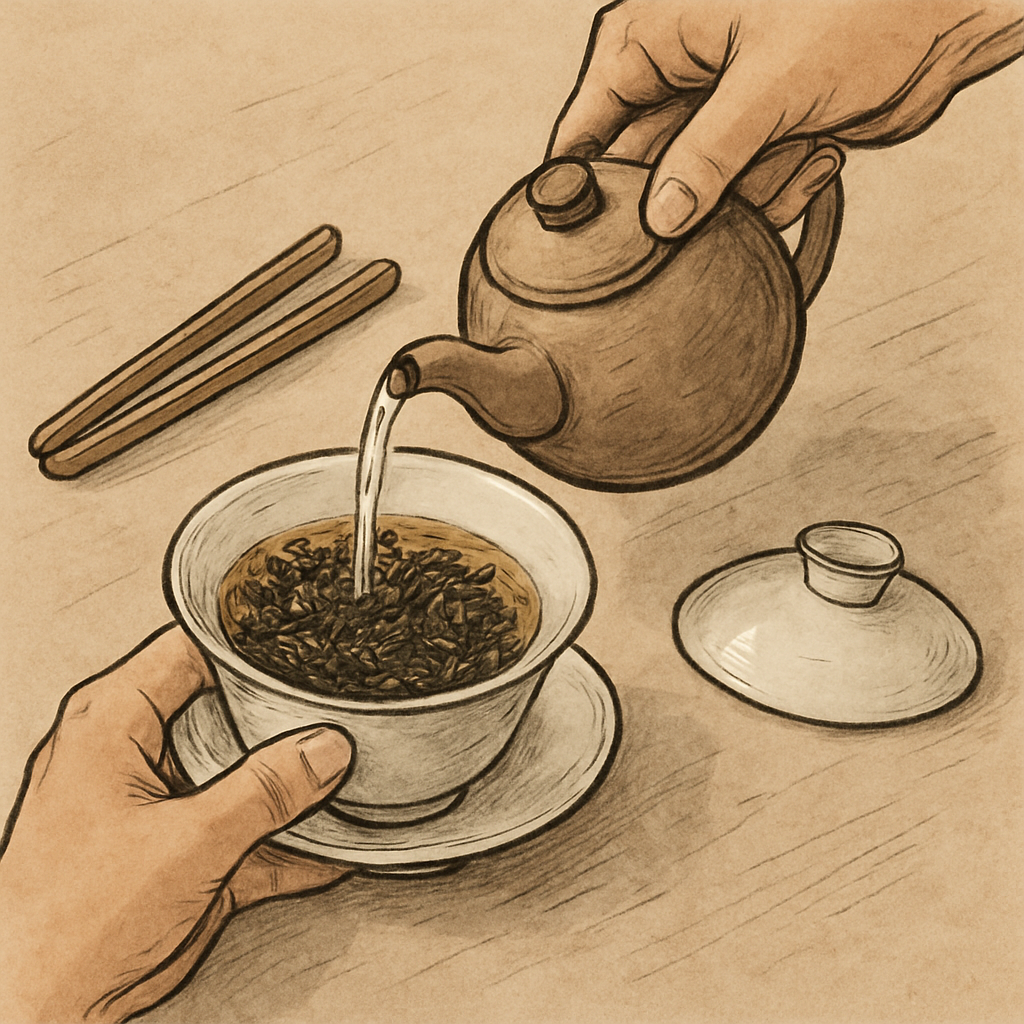
One of the most significant benefits of using a gaiwan is its versatility. You can use it to brew almost any type of tea, from delicate green teas to robust black teas. The design allows for precise control over the brewing process, enabling you to adjust the strength and flavor of your tea to your liking.
Full Flavor Extraction
The gaiwan’s design promotes even contact between the tea leaves and water, ensuring that the full range of flavors and aromas are extracted. This results in a more vibrant and aromatic cup of tea compared to other brewing methods.
Aesthetic Appeal
There is a certain elegance and beauty associated with using a gaiwan. The simplicity of its design, coupled with the ritualistic nature of its use, enhances the overall tea-drinking experience. For many, using a gaiwan is not just about the tea itself, but also about the enjoyment of the process.
How to Use a Gaiwan
Brewing tea with a gaiwan may seem intimidating at first, but with a little practice, it becomes a straightforward and enjoyable process. Here’s a step-by-step guide to help you get started:
Step 1: Prepare Your Gaiwan
Before you begin brewing, rinse your gaiwan with hot water to warm it up. This helps maintain the temperature during the brewing process and ensures that your tea stays hot.
Step 2: Add Tea Leaves
Add the desired amount of tea leaves to the bowl of the gaiwan. The amount will depend on the type of tea and your personal preference, but a general guideline is to use about one teaspoon of tea leaves per cup of water.
Step 3: Add Hot Water
Pour hot water over the tea leaves, filling the gaiwan about three-quarters full. The water temperature will vary depending on the type of tea you are using. For example, green teas typically require cooler water (around 175°F or 80°C), while black teas can be brewed with boiling water.
Step 4: Brew the Tea
Place the lid on the gaiwan and allow the tea to steep for the recommended time. This can range from 30 seconds to several minutes, depending on the type of tea and your personal taste preferences.
Step 5: Pour the Tea
To pour the tea, hold the gaiwan by the rim of the bowl and the lid, using your thumb to secure the lid in place. Tilt the gaiwan slightly, allowing the tea to pour out while using the lid to hold back the leaves.
Step 6: Enjoy Your Tea
Pour the brewed tea into your teacup and savor the flavors and aromas. You can re-steep the same leaves several times, enjoying the evolving flavors with each infusion.
Choosing the Right Gaiwan

When selecting a gaiwan, consider the following factors:
- Material: Choose a material that suits your tea-drinking preferences. Porcelain is a popular choice for its heat retention and ability to showcase the tea’s color. Glass gaiwans are excellent for observing the tea leaves as they unfurl, while clay gaiwans can enhance the flavor of certain teas over time.
- Size: Gaiwans come in various sizes, typically ranging from 100ml to 150ml. Choose a size that fits your needs and the amount of tea you typically brew.
- Design: While the function of a gaiwan is paramount, aesthetics also play a role in the enjoyment of tea. Select a design that resonates with you and complements your tea set collection.
Conclusion
The gaiwan is a versatile and elegant tool that enhances the tea-drinking experience. By understanding what a gaiwan is and how to use it, you can unlock the full potential of your favorite teas and enjoy a deeper connection to the rich traditions of Chinese tea culture. Whether you are a seasoned tea connoisseur or a curious newcomer, the gaiwan offers a unique and rewarding way to explore the world of tea.